
Laparoscopic Hysterectomy in Noida | Dr. Himanshi Sharma
A hysterectomy—the surgical removal of the uterus—is a significant medical step often recommended to resolve chronic, painful, or complex gynaecological conditions. If you or a loved one have been advised to undergo this procedure, Dr. Himanshi Sharma offers elite clinical expertise in performing laparoscopic hysterectomy (keyhole surgery) in Noida.
With over 12 years of clinical excellence, an academic foundation from Lady Hardinge Medical College, Delhi, and senior consultant ties with Cloudnine Hospital, Dr. Sharma specializes in advanced Minimal Access Surgery (MAS). By utilizing state-of-the-art keyhole techniques, she ensures that a complex major surgery is transformed into a highly manageable procedure with minimal pain and rapid recovery.
Patients can schedule pre-operative physical evaluations, diagnostic mapping, and detailed surgical counseling sessions at her Private Clinic in Sector 51, Noida, with the advanced surgical procedure seamlessly performed at the ultra-modern operating theatres of Cloudnine Hospital (Noida Sector 51 or Gaur City).
What is a Laparoscopic Hysterectomy?
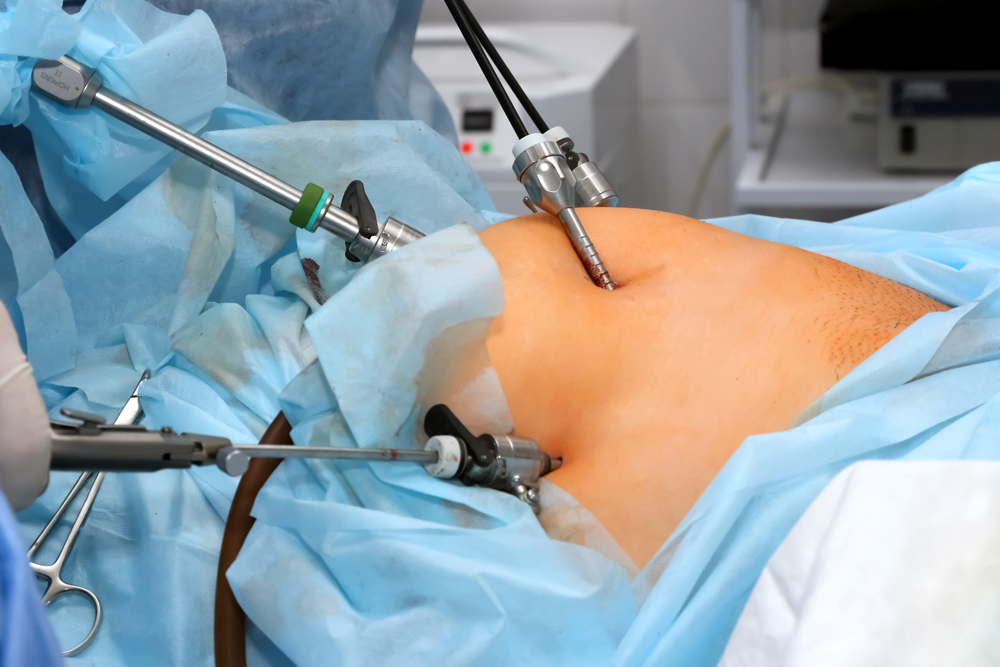
Unlike a traditional abdominal hysterectomy, which requires a large, 5-to-7-inch open incision across the abdomen, a Total Laparoscopic Hysterectomy (TLH) is done through a few tiny keyhole incisions (about 0.5 to 1 cm each).
A high-definition camera (laparoscope) and specialized, microscopic surgical instruments are inserted through these small ports. This allows the surgeon to visualize the pelvic anatomy with extreme, magnified clarity on a monitor. The uterus, along with the cervix (and potentially ovaries or fallopian tubes, depending on the diagnosis), is safely detached and removed with precision through the vaginal canal.
Conditions Treated with Laparoscopic Hysterectomy
Dr. Himanshi Sharma recommends a laparoscopic hysterectomy when conservative medical treatments, lifestyle modifications, or hormonal therapies fail to provide relief for chronic pelvic issues, such as:
⦁ Uterine Fibroids (Leiomyomas): Large, painful, benign non-cancerous growths in the uterine wall that cause heavy menstrual bleeding, severe cramping, and pelvic pressure.
⦁ Severe Endometriosis or Adenomyosis: Conditions where uterine lining tissue grows outside the uterus or deep into the uterine muscle, causing debilitating pelvic pain and structural scarring.
⦁ Abnormal Uterine Bleeding (AUB): Chronic, heavy, or unpredictable menstrual bleeding that leads to severe anemia and fails to respond to intrauterine devices (like Mirena) or medication.
⦁ Uterine Prolapse: A structural weakening where the pelvic floor muscles fail, causing the uterus to slip down into or outside the vaginal canal.
⦁ Chronic Pelvic Pain: Intractable, long-term pelvic discomfort stemming from severe pelvic inflammatory disease (PID) or dense internal adhesions.
Key Advantages of Keyhole Surgery Over Open Surgery
Opting for a minimal access laparoscopic approach under Dr. Sharma’s surgical care offers profound physiological and clinical benefits:
⦁ Drastically Lower Post-Operative Pain: Small keyhole punctures minimize muscle cutting, significantly reducing the need for heavy, long-term narcotic pain medications.
⦁ Minimal Scarring & Superior Cosmetics: Eliminates the large, prominent horizontal or vertical scar of open surgery. The tiny keyhole marks heal cleanly and fade into near-invisible lines.
⦁ Reduced Blood Loss: The high-definition magnification allows for meticulous surgical sealing of blood vessels, resulting in negligible intra-operative blood loss and eliminating the need for blood transfusions in standard cases.
⦁ Accelerated Recovery & Shorter Hospital Stay: Most laparoscopic patients are mobilized and walking within 12 hours of surgery. They are typically discharged within 24 to 48 hours, compared to a 5-to-7-day hospital stay required for open surgeries.
⦁ Drastically Lower Infection Rates: Keeping the internal pelvic cavity sealed from prolonged external exposure significantly minimizes the risk of post-operative hospital-acquired infections and internal adhesions.
Comprehensive Surgical Blueprint: From Clinic to Recovery
When you choose Dr. Himanshi Sharma for your surgical journey, your treatment follows a highly systematic clinical protocol:
⦁ Pre-Surgical Evaluation (Sector 51 Clinic): Detailed diagnostic verification involving advanced pelvic ultrasounds, baseline blood profiling, anaesthesia clearance, and an unhurried, transparent discussion covering the surgical steps, risks, and recovery goals.
⦁ The Surgical Event (Cloudnine Hospital): The surgery is conducted under general anaesthesia within Cloudnine’s state-of-the-art modular operating theatres, featuring advanced laparoscopic towers, vessel-sealing systems, and dedicated critical care teams.
⦁ Post-Operative Recovery Plan: Follow-up protocols focus on early mobilization, dietary reintroduction, and specialized guidelines for home care, lifting restrictions, and a smooth, safe return to normal daily routines within 2 to 3 weeks.
Why Choose Dr. Himanshi Sharma for Laparoscopic Surgery?
⦁ Elite Surgical Credentials: Her advanced training in Minimal Access Surgery paired with her Lady Hardinge background ensures precision execution of even the most intricate pelvic dissections.
⦁ Ethical Surgical Approach: Highly trusted for her clinical integrity—she only advises a hysterectomy as a final step when conservative medical options have been thoroughly evaluated and exhausted.
⦁ Comprehensive Continuum of Care: Benefit from personal, compassionate outpatient follow-ups at her Sector 51 Clinic, while enjoying the institutional backing of Cloudnine Hospital, featuring advanced post-operative monitoring, round-the-clock doctors, and emergency surgical backup.


