
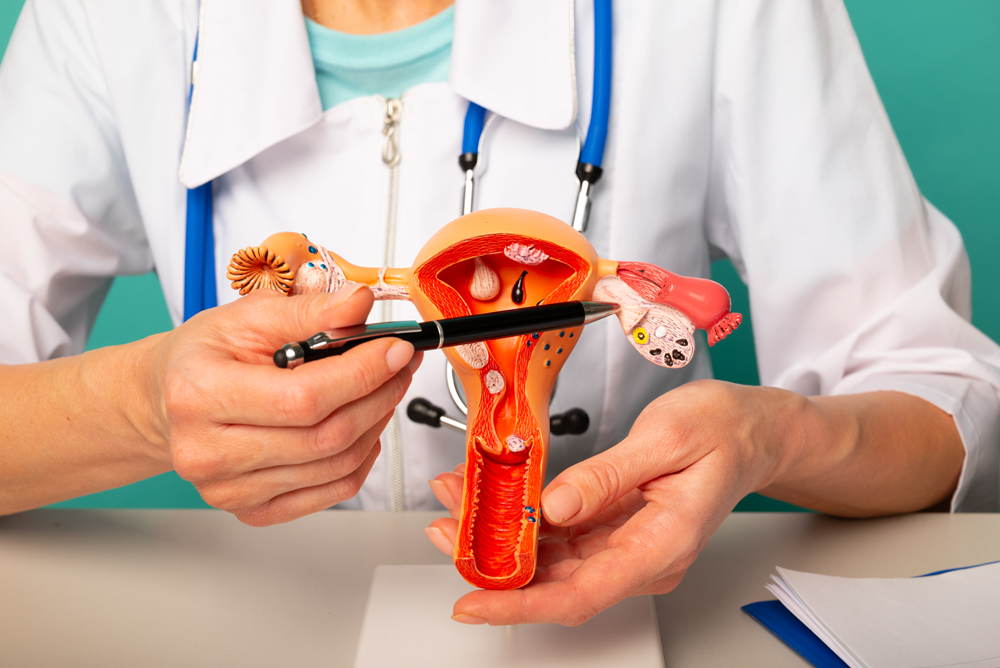
Uterine fibroids—benign, non-cancerous growths that develop within the muscular walls of the uterus—can cause severe pain, heavy menstrual bleeding, pelvic pressure, and reproductive challenges. If you have been diagnosed with fibroids and wish to preserve your uterus, Dr. Himanshi Sharma offers elite clinical expertise in performing laparoscopic myomectomy (keyhole fibroid removal surgery) in Noida.
With over 12 years of clinical excellence, an academic foundation from Lady Hardinge Medical College, Delhi, and senior consultant ties with Cloudnine Hospital, Dr. Sharma specializes in Minimal Access Surgery (MAS). Utilizing state-of-the-art laparoscopic techniques, she removes complex fibroids with precision while carefully preserving the uterine tissue, structural integrity, and future fertility of her patients.
Patients can schedule comprehensive diagnostic mapping, fertility planning, and detailed pre-operative consultations at her Private Clinic in Sector 51, Noida, with the surgical procedure seamlessly executed at the ultra-modern operating theatres of Cloudnine Hospital (Noida Sector 51 or Gaur City).
What is a Laparoscopic Myomectomy?
A myomectomy is a specialized surgical procedure designed to remove uterine fibroids while keeping the uterus entirely intact. Unlike a traditional open myomectomy, which requires a large abdominal incision, a Laparoscopic Myomectomy is performed through 3 to 4 tiny keyhole incisions (about 0.5 to 1 cm each) in the abdomen.
Through these minute incisions, a high-definition laparoscope (camera) and specialized micro-instruments are introduced. This allows Dr. Sharma to visualize the pelvic cavity under immense magnification. The fibroids are meticulously separated and shelled out from the surrounding uterine muscle wall.
The uterine muscle layers are then carefully repaired using multi-layered suturing techniques to ensure optimal strength for future pregnancies, and the fibroid tissue is safely extracted using a process called morcellation.
Symptoms and Indicators for Fibroid Removal
While some fibroids are asymptomatic and only require routine monitoring, surgical removal becomes necessary if you experience:
⦁ Abnormal Uterine Bleeding (AUB): Heavy, prolonged, or painful periods often accompanied by large blood clots, leading to chronic fatigue and severe iron-deficiency anemia.
⦁ Pelvic Pain and Pressure: A persistent feeling of fullness, heaviness, or sharp pain in the lower abdomen, pelvic area, or lower back.
⦁ Urinary and Bowel Complications: Frequent urination, an inability to empty the bladder completely, or chronic constipation caused by large fibroids pressing against the bladder or rectum.
⦁ Fertility Challenges and Recurrent Miscarriages: Submucosal or intramural fibroids that distort the uterine cavity, blocking fallopian tubes or preventing successful embryo implantation and healthy pregnancy growth.
Key Advantages of Laparoscopic Myomectomy
Opting for a minimally invasive keyhole approach under Dr. Sharma’s surgical care offers numerous physical and clinical benefits:
⦁ Preservation of Fertility and Uterus: This is the ideal surgical option for women who plan to bear children or wish to retain their uterus, focusing strictly on removing the diseased tissue.
⦁ Drastically Lower Post-Operative Pain: Small keyhole punctures avoid large muscle cuts, significantly reducing the post-operative pain profile and the requirement for heavy narcotic analgesics.
⦁ Negligible Blood Loss: High-definition visualization allows for precise control of blood vessels during dissection, resulting in minimal blood loss compared to traditional open surgeries.
⦁ Excellent Cosmetic Results: The tiny keyhole incisions require minimal stitches, heal rapidly, and fade into near-invisible marks over time.
⦁ Faster Recovery & Shorter Hospital Stay: Patients are typically able to walk within 12 hours of the procedure and are discharged within 24 to 48 hours, returning to their routine daily activities in roughly 2 weeks.
Comprehensive Surgical Framework: From Clinic to Recovery
When you choose Dr. Himanshi Sharma for your fibroid removal journey, your care follows a highly systematic clinical protocol:
⦁ Pre-Surgical Mapping (Sector 51 Clinic): Detailed diagnostic review utilizing advanced transvaginal ultrasounds (TVS) or MRI mapping to pinpoint the exact number, size, and classification of the fibroids (subserosal, intramural, or submucosal). This phase includes fertility counselling, pre-anaesthesia checkups, and a transparent surgical overview.
⦁ The Surgical Event (Cloudnine Hospital): The procedure is conducted under general anaesthesia within Cloudnine’s modular operating theatres, equipped with high-end laparoscopic towers, harmonic scalpels, and specialized tissue morcellators.
⦁ Post-Operative Recovery Plan: Follow-up care centers on gentle mobilization, balanced nutrition, and specific recovery guidelines, including an advice timeline for waiting 3 to 6 months before trying to conceive to ensure the uterine muscle wall is fully healed and strong.
Why Choose Dr. Himanshi Sharma for Fibroid Removal?
⦁ Elite Surgical Background: Her intensive surgical training at Lady Hardinge Medical College (Delhi) provides her with the precise stitching skills needed to execute complex, multi-layered uterine wall reconstructions.
⦁ Fertility-First Orientation: She prioritizes preservation techniques, carefully evaluating how to remove the fibroids with minimal disruption to the uterine lining (endometrium).
⦁ Comprehensive Continuum of Care: Enjoy personal, unhurried outpatient care at her Sector 51 Clinic, backed by the safety of Cloudnine Hospital’s premium inpatient infrastructure, round-the-clock doctors, and advanced emergency backup.